


For two days, Blondie Mansion Week-End reimagined what an arts event could be. Part social mixer, part keynote series, all aimed at helping creatives turn vision into sustainable business.
A Platform with Purpose
Founded by Sara A. Crawford, Blondie Mansion has always blurred the line between culture and entrepreneurship. This Week-End made the mission tangible: give artists and entrepreneurs not only a space to connect, but the tools to grow. It wasn’t about entertainment for its own sake. It was about connecting people and translating creativity into careers.
Day One: Vibe + Visuals
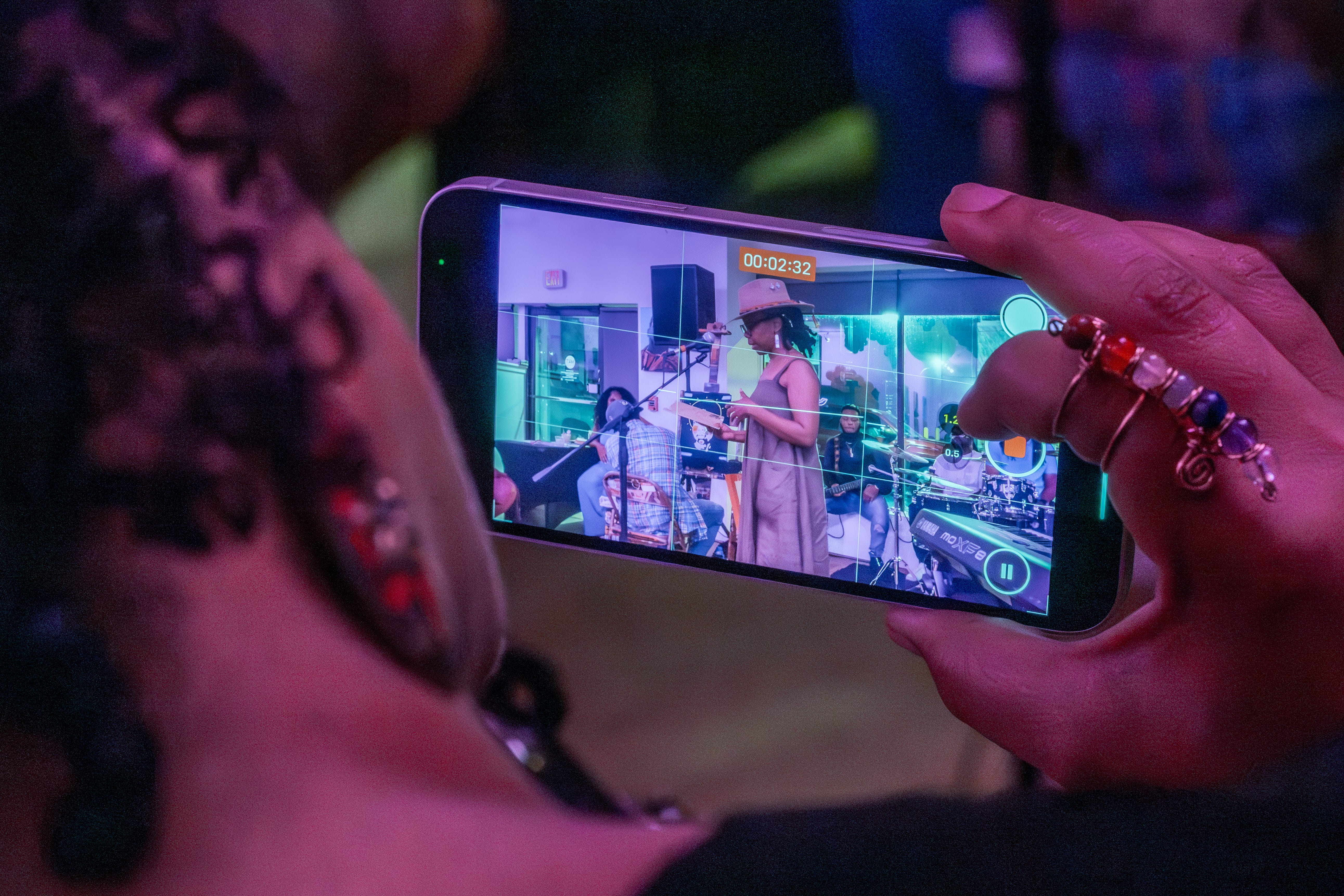
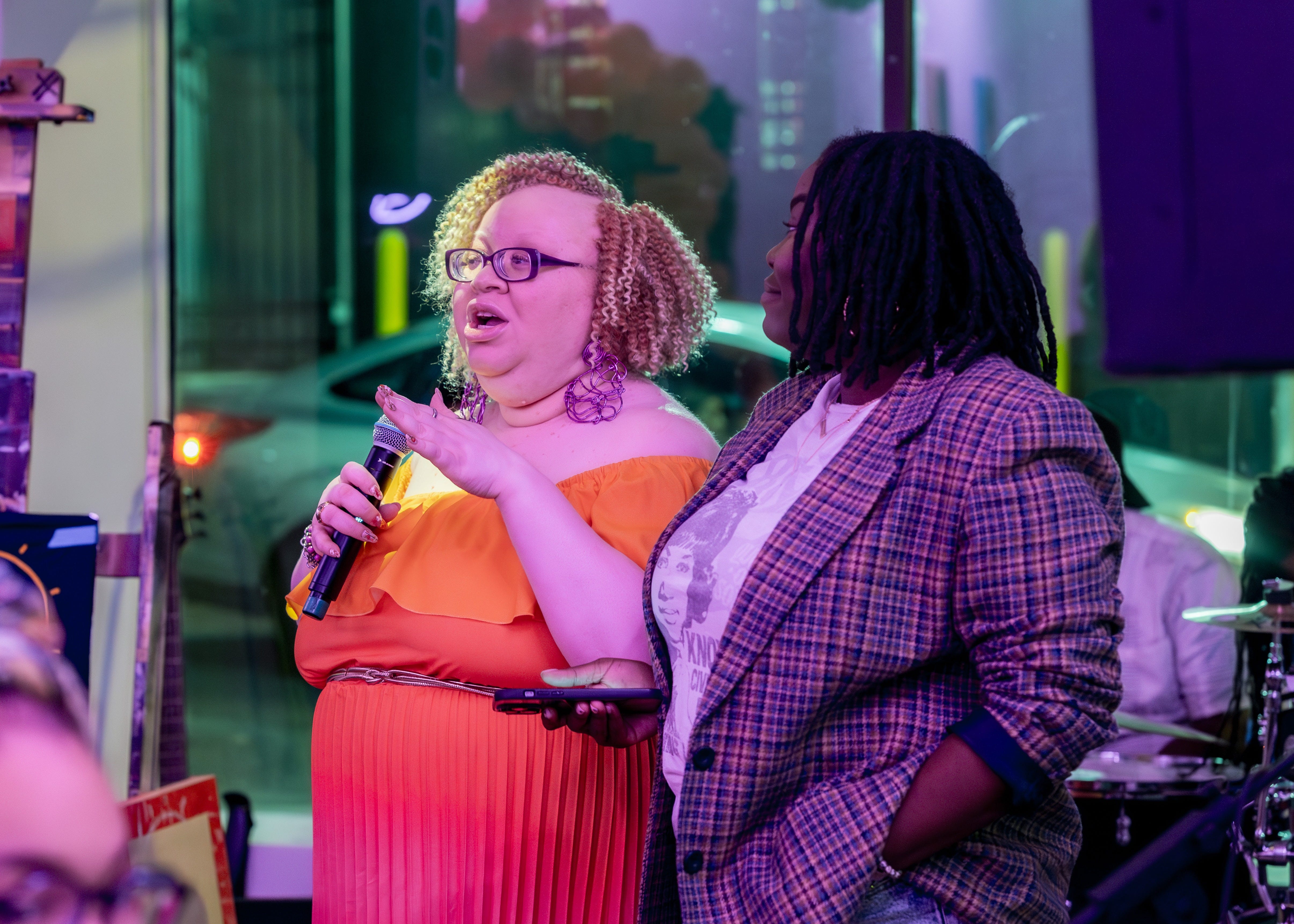
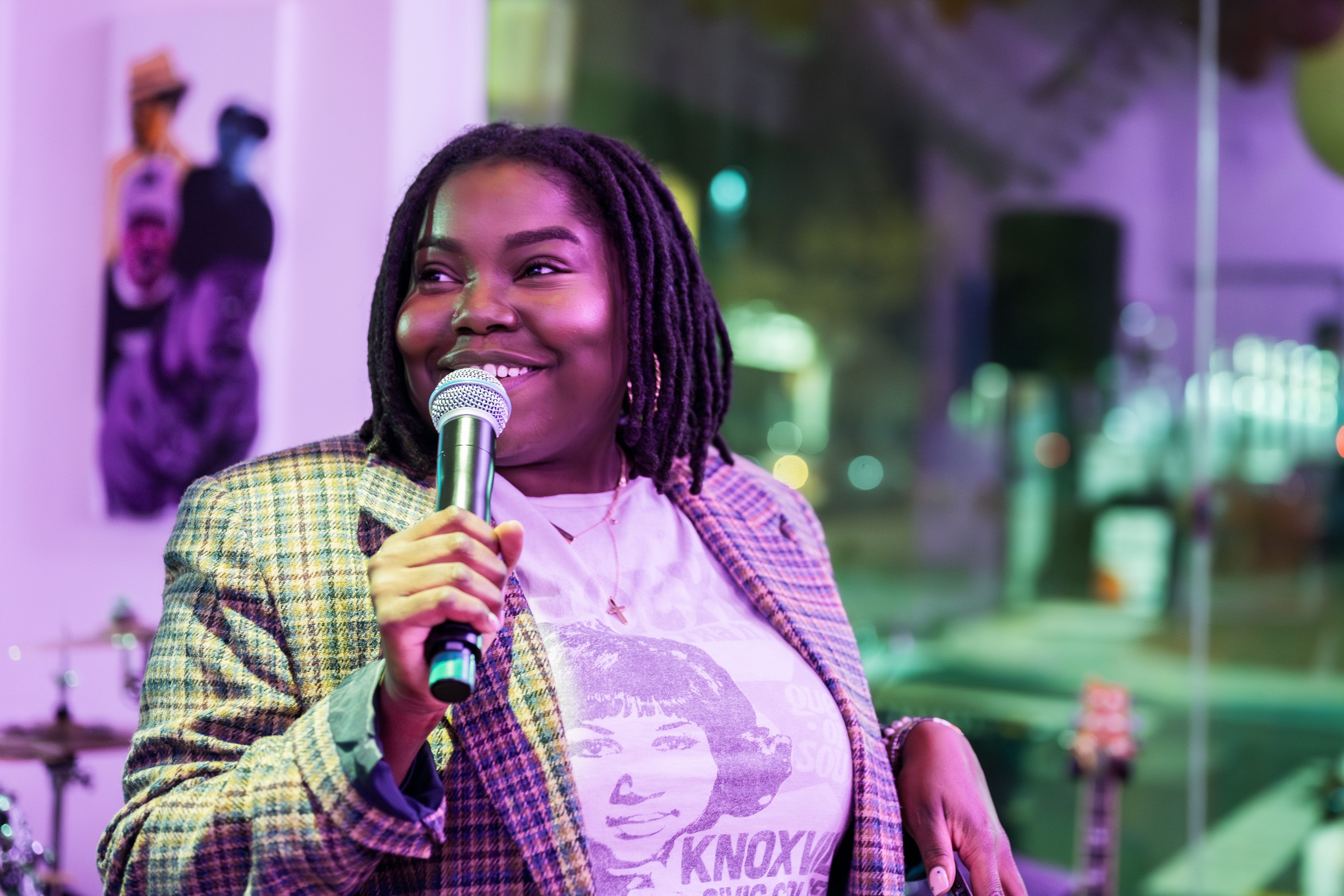
The opening night kept the focus on connection. Sara A. Crawford challenged attendees to introduce themselves and connect with at least 2 others before the night was over. Host Ari Sianeh guided a room filled with emerging artists, small business owners, and community leaders, pushing attendees to go beyond casual networking.
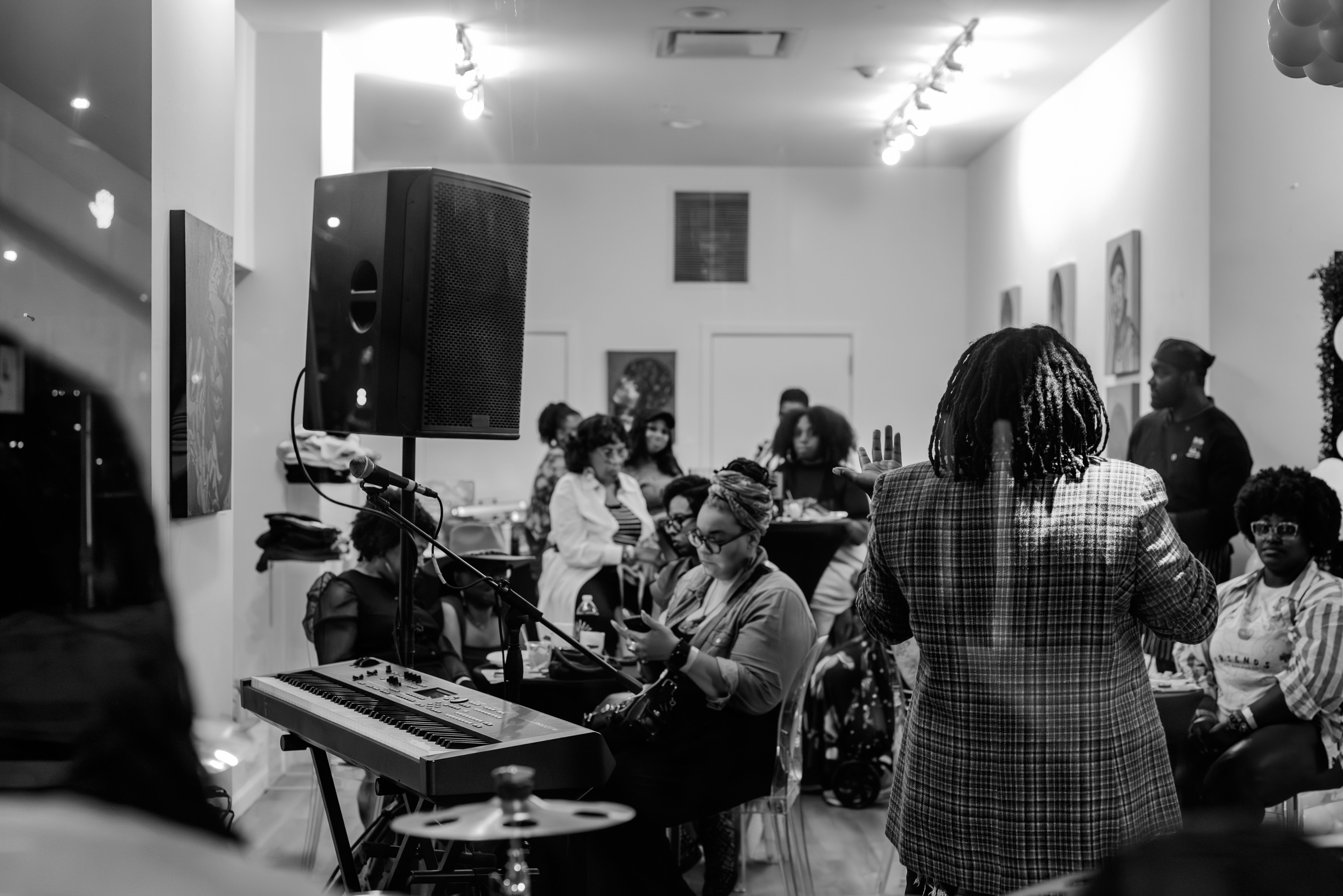
Dr. Traci Currie’s spoken word kept attendees grounded in the purpose and focused on the mission. Smashed Label’s live art added yet another layer of depth to gallery, reminding attendees to take in the various paintings and decor. Everything underscored the message: collaboration is the currency driving creative success stories.
Harvey Road’s set brought the sounds of classic hip-hop, R&B, and soul together under one roof. Their selection as the featured band of the night tells me that Sara A Crawford was serious about the “vibe” of the event.
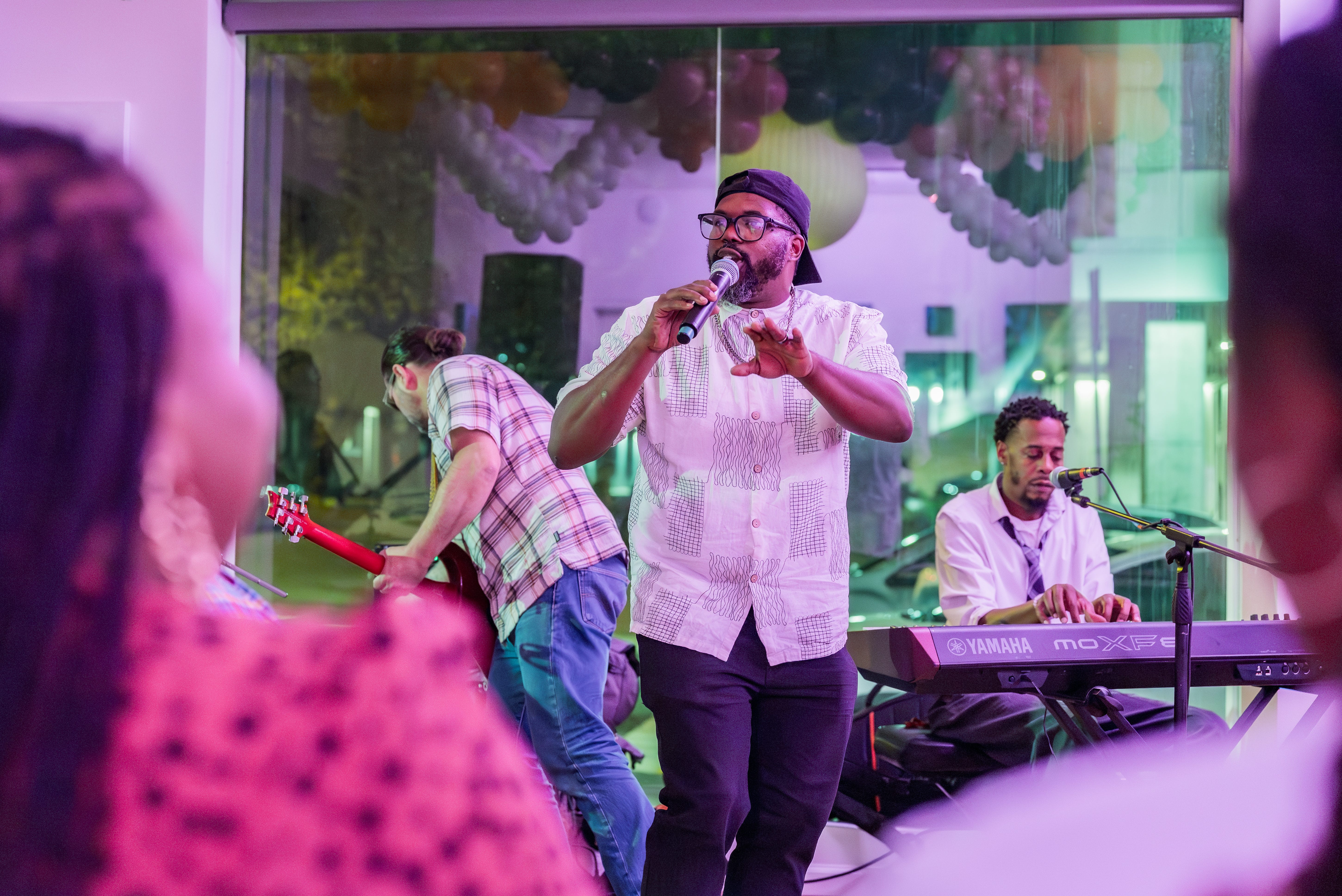
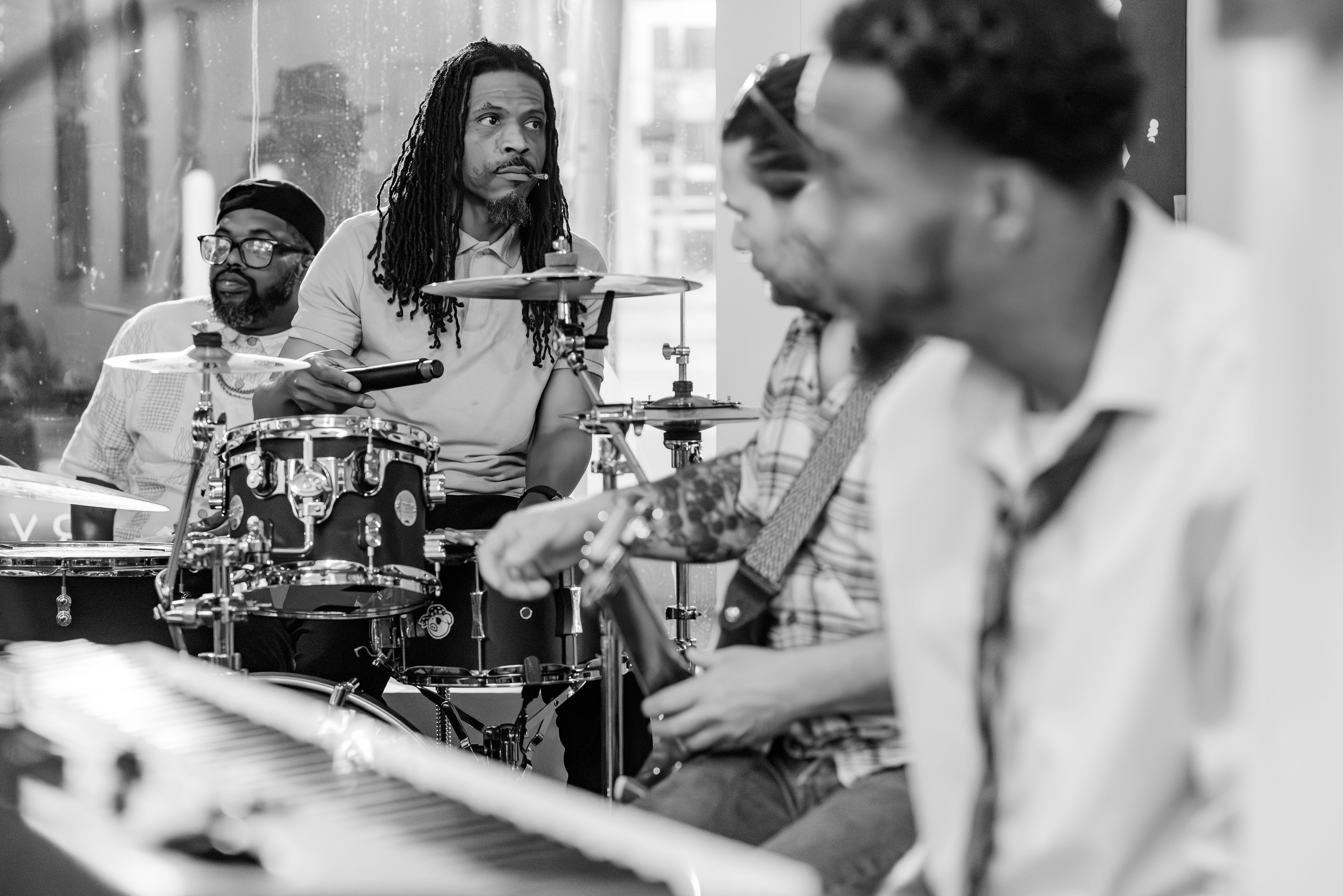
Photo Gallery


Day Two: Build + Bloom
I didn’t attend the second day in person, but the programming lineup stood out in conversation with founder Sara A. Crawford. The focus shifted from atmosphere to execution, with sessions designed to close the gap between creativity and business. One keynote that caught my attention was Malcolm Coley’s talk on AI—less “threat to artistry,” more toolkit for scaling content and planning. That kind of framing matters; it recognizes where technology sits in the creative economy instead of dismissing it outright. Other sessions, from Michelle Washington’s breakdown of branding strategy to panels on pricing, sales, and IP protection, all addressed the same core issue: creatives rarely struggle with talent, but too often fall behind on business development.
Why It Mattered
Even without being in the room, it’s clear the intent was to push artists toward building careers with infrastructure, not just inspiration. And Crawford’s track record, over $8 million raised for entrepreneurs, 15,000 creatives served, backs that mission with proof of execution.
The Takeaway
Day Two underscored what Wilmington’s creative economy needs: education, strategy, and sustainable systems. Artists here already operate on the cutting edge of craft. The challenge (and the opportunity) is making sure their business practices keep pace. Blondie Mansion’s programming leaned straight into that gap, offering a model that’s worth replicating well beyond Delaware.’